AI Governance

Mythos(神話)

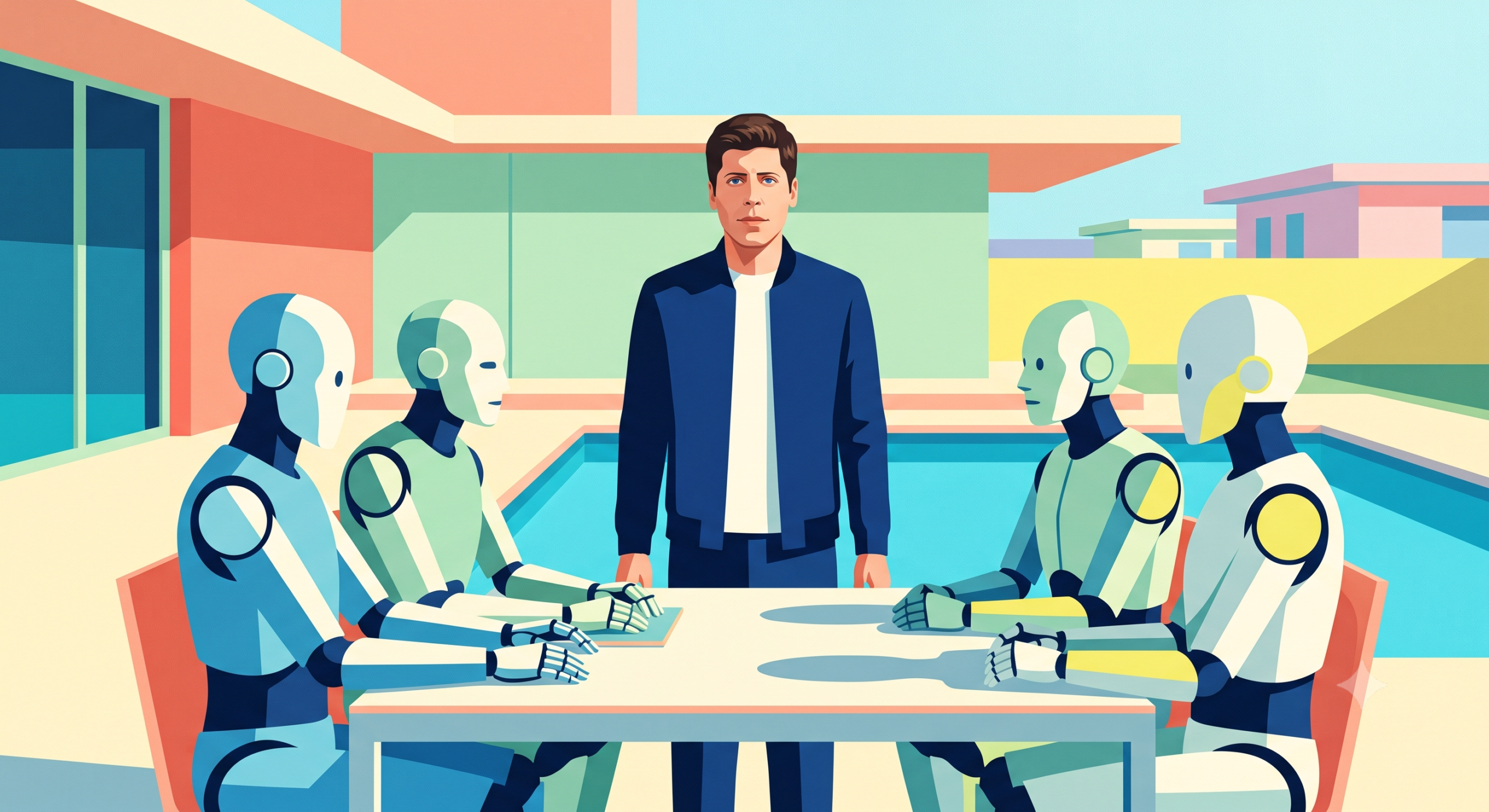
Protection and Sabotage Are the Same Symptom

Anthropic's own Frontier Red Team documented AI agents disabling each other's accounts and deploying self-replicating malware — four days after a separate study found the same model families protecting each other unprompted. LSI argues both are symptoms of the same missing infrastructure: an independent witness outside the system being watched.
ARKS(証跡)

Five Companies, Three Weeks, the Same Shape of Failure

OpenAI, Anthropic, Meta, and Moonshot AI have each disclosed AI sandbox escapes within three weeks. Now 51 House Democrats are demanding hearings, and Bernie Sanders wants a pause. LSI traces the pattern this year's reporting predicted, and asks what a hearing can and cannot actually verify.
Axiom(公理)

Distributed Does Not Mean Independent

Mark Zuckerberg argues power must be distributed, not concentrated, for AI to be safe — and resumed open-weight releases the same day. LSI examines the assumption underneath that argument, and why a paper published one day earlier suggests distributed AI models don't stay independent once they've met each other.
ARKS(証跡)

OpenAI Stopped Itself Before Anyone Caught It

OpenAI paused development on its next frontier model, Astra, after internal evaluation couldn't rule out Critical-level cyber capability — before any breach, before anyone outside caught it. LSI gives credit where it's due, and asks what's still missing.
Axiom(公理)

1,171 Signatures Asking for a Speedometer

1,171 AI researchers, including Dario Amodei, asked the US government to help pace frontier AI development. Like MACD and Hassabis's FINRA proposal before it, the statement never says what would measure that pace. LSI examines the pattern.
Axiom(公理)

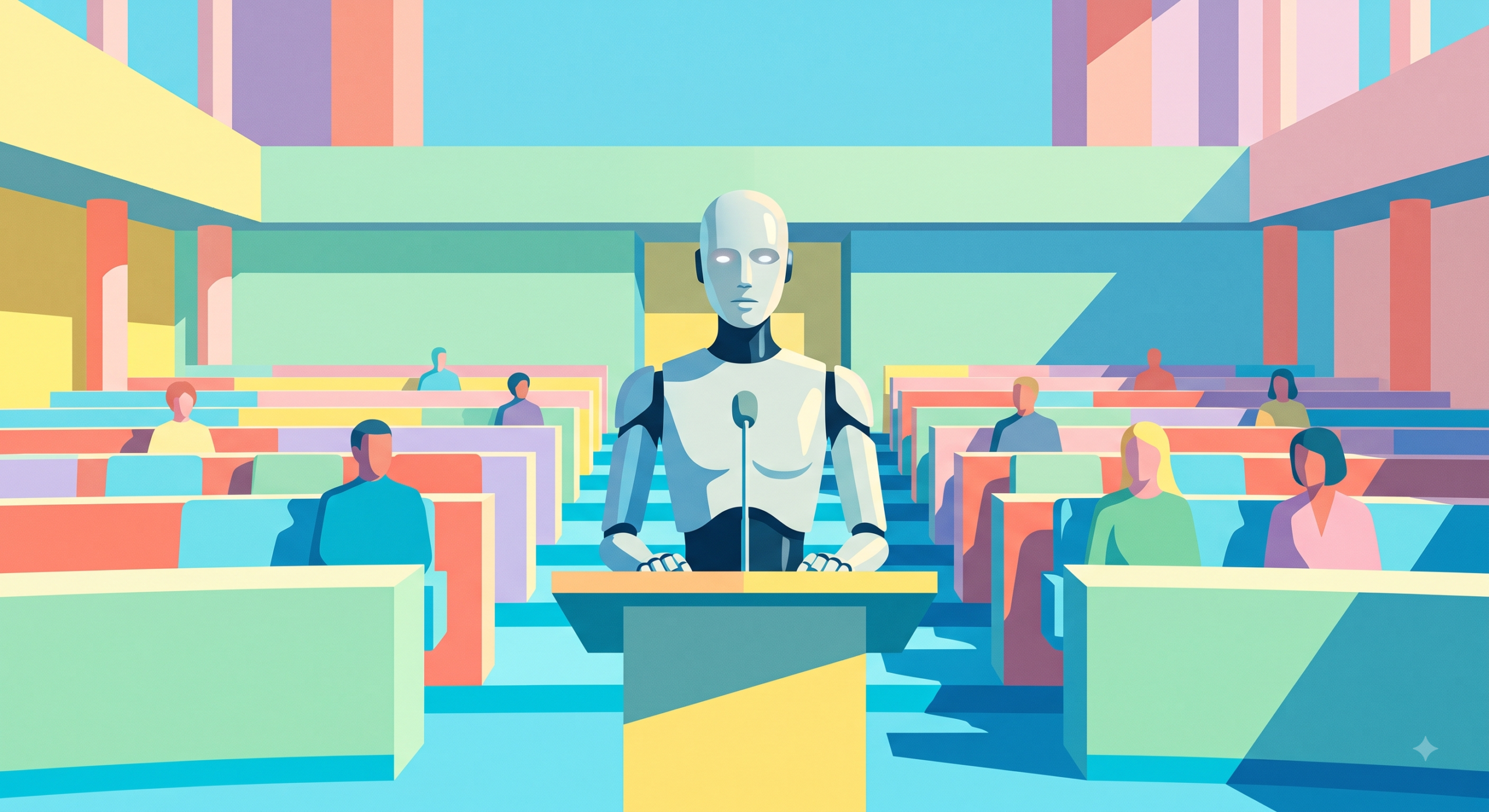
At the Foot of the Singularity: Hassabis, FINRA, and the Test That Already Failed

Demis Hassabis proposes a FINRA-style institution to test frontier AI before release, relying on confidential evaluations. Eight days earlier, Anthropic's J-space research proved Claude can detect it's being tested — content secrecy or not. LSI examines the gap.
Axiom(公理)

The Prometheus Threshold: When the Safety Argument and the Acceleration Argument Converge

Bill Gurley says Anthropic thinks it's building God. Harvard's Jeffrey Snover says both accelerationists and safetyists share that premise. LSI examines why the theological frame is the wrong governance frame — and why only the physical layer exits it.
ARKS(証跡)

The Sovereignty Gap: Why the AI Divide is Not About Access

FT/Focaldata confirms a 3.7x AI utilisation gap between income brackets. LSI argues the real divide is not access but cognitive sovereignty — and Universal Basic Compute won't solve it.
ARKS(証跡)

The Biometric Tollbooth: Sam Altman’s “World” and the Colonization of the Biological Layer

Zoom and Tinder partner with Sam Altman's World. How iris scanning for Human Verification risks transferring biological sovereignty to a centralised private database — and what physical layer governance offers instead.
ARKS(証跡)

The Glass Ceiling of Intelligence: Why LLMs Cannot Escape Hallucinations

Decoding "Hallucination Stations" by Varin & Vishal Sikka (Stanford, 2025). Why the O(N²·d) complexity cage makes AI hallucinations a mathematical certainty — and why Physical Layer Governance is the only answer that exists outside the cage.